




The Advantages of Flanges in Large Forged Flange Manufacturing
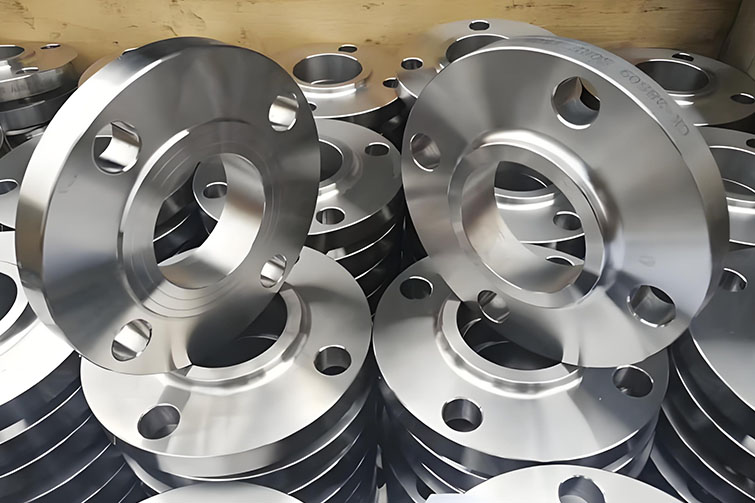
In the world of industrial piping systems, flanges play an indispensable role as connecting components that join pipes, valves, pumps, and other equipment. As a specialized manufacturer of large forged flanges, we recognize the critical importance of these components in maintaining system integrity, operational safety, and overall efficiency. This comprehensive article explores the numerous advantages of flanges, particularly those manufactured through large forging processes, and explains why they remain the preferred choice for demanding industrial applications across the globe.
Superior Strength and Structural Integrity
The Forging Advantage
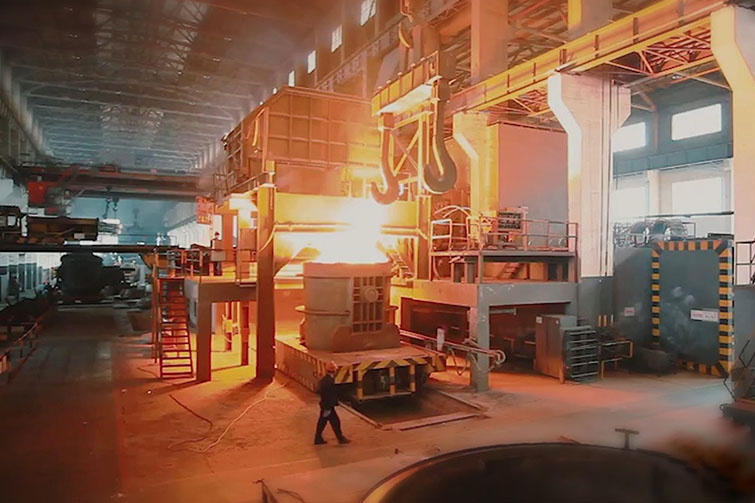
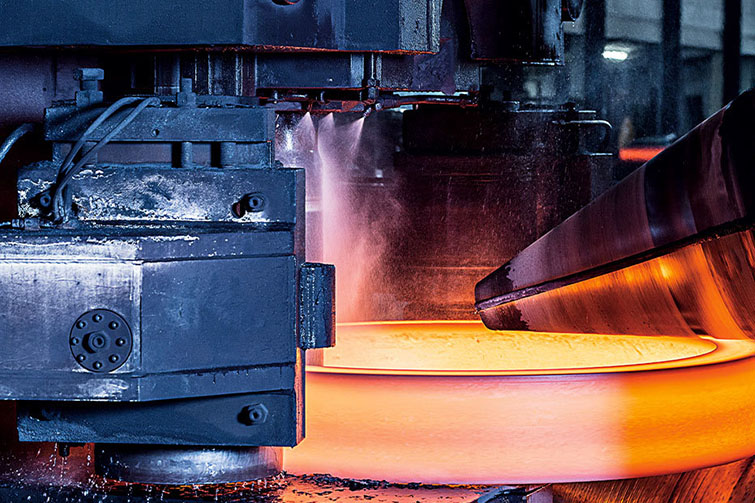
One of the most significant advantages of large forged flanges lies in their exceptional strength characteristics. The forging process involves shaping metal under extremely high pressure, which fundamentally refines the grain structure of the material. This metallurgical transformation eliminates internal voids, porosity, and weaknesses that might exist in cast or machined alternatives.
The continuous grain flow achieved through proper forging follows the contour of the flange, particularly at critical stress points such as the hub-to-ring junction. This grain orientation ensures that the component can withstand extreme pressures, temperatures, and mechanical stresses without failure. For large forged flanges used in demanding applications like oil and gas exploration, petrochemical processing, and power generation, this structural integrity is not merely an advantage—it is an absolute necessity.
Resistance to Fatigue and Stress
Large forged flanges exhibit superior resistance to fatigue, shock loads, and vibration compared to components manufactured through other methods. The refined grain structure and absence of internal defects mean that crack initiation points are virtually eliminated. This is particularly important in applications subject to cyclic loading, thermal cycling, or mechanical vibration, where fatigue failure could have catastrophic consequences.
Exceptional Sealing Performance
Precision-Machined Surfaces
The sealing capability of flanges is fundamental to their function, and large forged flanges excel in this regard. The flat or raised face surfaces are machined to extremely precise tolerances, creating optimal contact surfaces for gaskets. This precision ensures leak-proof connections even under fluctuating pressures and temperatures that would compromise lesser components.
Gasket Compatibility
Large forged flanges accommodate various gasket types, including spiral wound gaskets, ring joint gaskets, metal-jacketed gaskets, and non-metallic sheet gaskets. This versatility allows engineers to select the most appropriate sealing solution for specific media and operating conditions. Whether handling corrosive chemicals, high-pressure steam, or flammable hydrocarbons, the appropriate gasket combined with a properly machined forged flange provides reliable containment.
Rigidity and Uniform Compression
The inherent rigidity of forged flanges prevents distortion during bolt tightening, maintaining uniform gasket compression around the entire circumference. This uniform compression ensures consistent sealing pressure and extends gasket life, reducing maintenance requirements and preventing unplanned downtime.
Installation and Maintenance Advantages
Ease of Assembly and Disassembly
Unlike welded connections that require cutting for separation, flanged connections allow quick and convenient assembly and disassembly of piping systems. This modular characteristic provides several operational advantages that translate directly to cost savings:
Maintenance Access: Equipment connected through flanges can be easily removed for inspection, repair, or replacement without disturbing the entire piping system. When a pump, valve, or instrument requires service, simply unbolting the flanged connections allows removal while the rest of the system remains intact.
System Modifications: Future expansions or modifications become significantly easier when flanged connections are used throughout the system. Adding new equipment, rerouting piping, or incorporating additional instrumentation requires only the installation of appropriate flanged components.
Cleaning and Inspection: Flanged joints provide access to pipe interiors for cleaning, pigging operations, or visual inspection. This accessibility is particularly valuable in sanitary applications, such as food processing or pharmaceutical manufacturing, where regular cleaning is mandatory.
Emergency Repairs: In case of component failure, only the affected section requires isolation, minimizing system downtime. The ability to quickly disconnect and replace a failed component can save hours or even days of production time compared to systems requiring cutting and rewelding.
No Specialized Equipment Required
Installation and maintenance of flanged connections typically require only standard hand tools and torque wrenches. Unlike welded connections that demand skilled welders, specialized equipment, and rigorous inspection procedures, flanged connections can be assembled by maintenance personnel with basic mechanical training. This accessibility reduces labor costs and simplifies maintenance planning.
Standardization and Versatility
International Standards Compliance
Large forged flanges are manufactured according to internationally recognized standards such as ASME B16.5, ASME B16.47, EN 1092-1, DIN, and JIS. This standardization ensures dimensional consistency and interchangeability worldwide, offering significant advantages:
Component Compatibility: Components from different manufacturers can be reliably connected when designed to the same standard, providing procurement flexibility and supply chain resilience.
Simplified Inventory Management: Maintenance departments can stock standard flanges rather than maintaining inventories of custom components for each application. This reduces inventory costs and ensures availability when needed.
Global Sourcing: Standardization enables procurement from multiple suppliers without compatibility concerns, allowing manufacturers to optimize costs and lead times through global sourcing strategies.
Material Selection Flexibility
The versatility of flanges extends to their availability in various materials to suit specific application requirements:
Carbon Steel: Suitable for general service applications, offering excellent strength at economical cost
Stainless Steel: Provides corrosion resistance for chemical processing, food handling, and marine applications
Alloy Steel: Designed for high-temperature and high-pressure services such as power generation and petrochemical processing
Specialty Alloys: Including nickel alloys, titanium, and other materials for extreme corrosion resistance or temperature requirements
Pressure Rating Options
Large forged flanges are available in pressure ratings from Class 150 through Class 2500, accommodating everything from low-pressure water systems to ultra-high-pressure applications in oil and gas production. This range allows engineers to select the optimal flange for each specific application without over-designing or compromising safety.
Accommodation of System Movements
Thermal Expansion Management
Piping systems experience significant movements due to thermal expansion as operating temperatures change. Flanged connections can accommodate these movements through:
Expansion Joints: Special flanged expansion joints can be incorporated into the system to absorb thermal movements without stressing equipment connections
Guided Supports: Properly designed pipe supports work with flanged connections to control thermal movement while maintaining system integrity
Vibration Damping
Flanged connections with appropriate gaskets can dampen vibrations transmitted through the system. This damping effect protects sensitive equipment and reduces noise transmission, contributing to safer and more comfortable working environments.
Misalignment Accommodation
Slight adjustments in alignment are possible during assembly through bolt hole clearance. This flexibility allows field correction of minor misalignments that might otherwise require costly pipe rework.
Economic Advantages
Lifecycle Cost Benefits
While the initial cost of forged flanges may be higher than some alternatives, comprehensive lifecycle cost analysis reveals significant economic advantages:
Reduced Installation Time: Flanged connections require less time to install compared to welding, especially in large-diameter applications. This reduction in installation time translates directly to lower project costs.
Lower Labor Costs: Installation requires standard mechanical skills rather than specialized welding procedures and certifications, reducing labor rates and expanding the available workforce.
Minimized Downtime: During maintenance or repairs, flanged connections allow rapid disconnection and reconnection, reducing expensive operational downtime. In continuous process industries, even a few hours of additional downtime can cost tens of thousands of dollars.
Reusability: Flanges can be reused multiple times when properly maintained, unlike welded connections that must be cut and replaced. This reusability provides value over the entire facility lifecycle.
No Special Equipment: Installation and maintenance require only standard hand tools and torque wrenches, eliminating the need for expensive welding equipment, radiographic testing, and specialized inspection.
Material and Mechanical Property Optimization
Controlled Grain Structure
The large forging process allows manufacturers to optimize material properties for specific applications through controlled heating and deformation. This results in:
Uniform Mechanical Properties: Consistent strength, ductility, and toughness throughout the component
Enhanced Toughness: Improved resistance to impact and fracture, particularly important in low-temperature services or applications subject to mechanical shock
Superior Weldability: Properly forged materials exhibit excellent welding characteristics, facilitating field modifications and repairs
Optimized Heat Treatment: Forgings respond predictably to heat treatment processes, allowing precise control of final mechanical properties
Traceability and Quality Assurance
As a reputable large forged flange manufacturer, we implement comprehensive quality management systems that provide complete traceability from raw material through final inspection:
Material Test Reports: Certification of chemical composition and mechanical properties for each heat of material
Heat Treatment Records: Documentation of time-temperature profiles ensuring proper metallurgical structure
Non-Destructive Examination: Ultrasonic, magnetic particle, or liquid penetrant testing as required by specifications
Dimensional Inspection Reports: Verification of critical dimensions against standard requirements
Permanent Marking: Identification ensuring traceability throughout the product lifecycle
This documentation provides end-users with confidence in product quality and compliance with specifications, essential for critical service applications.
Industry Applications
Oil and Gas Industry
In oil and gas applications, large forged flanges are essential components in:
- Pipeline connections and tie-ins
- Wellhead equipment and Christmas trees
- Refinery processing units
- Offshore platform piping systems
- Liquefied natural gas facilities
Chemical Processing
Chemical plants rely on forged flanges for:
- Corrosive media handling systems
- Reactor connections and agitation systems
- Heat exchanger piping
- Storage tank connections
- Toxic material containment
Power Generation
Power generation facilities utilize large forged flanges in:
- High-pressure steam systems
- Cooling water circulation
- Fuel handling and delivery
- Turbine connections
- Boiler feedwater systems
Marine and Offshore
Marine applications demand the reliability of forged flanges for:
- Seawater cooling systems
- Cargo handling and transfer
- Ballast systems
- Fuel oil service
- Hydraulic systems
Safety and Reliability Considerations
Design Margins and Safety Factors
Large forged flanges are designed with appropriate safety factors that account for:
- Pressure fluctuations and surge events
- Thermal cycling and expansion stresses
- External loads from pipe supports and equipment
- Corrosion allowances for long-term service
- Manufacturing tolerances and variations
Proven Performance History
The extensive performance history of forged flanges in critical service applications provides confidence in their reliability. Decades of successful service in demanding environments demonstrate that properly selected, installed, and maintained forged flanges provide safe, reliable connections throughout the facility lifecycle.
Compliance with Codes and Standards
Manufacturing large forged flanges to recognized codes and standards ensures:
- Design validation through established engineering principles
- Material requirements appropriate for intended service
- Testing and inspection criteria ensuring quality
- Installation practices proven through extensive experience
- Maintenance guidelines supporting long-term reliability
Conclusion
Large forged flanges offer numerous advantages that make them indispensable components in industrial piping systems worldwide. From their superior strength and exceptional sealing capabilities to their installation flexibility and lifecycle cost benefits, forged flanges provide the reliability and performance demanded by modern industry.
The combination of material optimization through the forging process, precision manufacturing to international standards, and comprehensive quality assurance ensures that each flange delivers the expected performance throughout its service life. Whether in oil and gas production, chemical processing, power generation, or marine applications, large forged flanges continue to prove their value as the connection method of choice for critical service applications.
As a dedicated manufacturer of large forged flanges, we remain committed to producing components that meet the highest standards of quality, reliability, and performance. Through continuous improvement in manufacturing processes, material selection, and quality assurance, we ensure that our flanges provide the advantages our customers require for their most demanding applications.